Business Metrics Navigator: 5852733559, 662970365, 2119888, 677522446, 629567182, 906322105

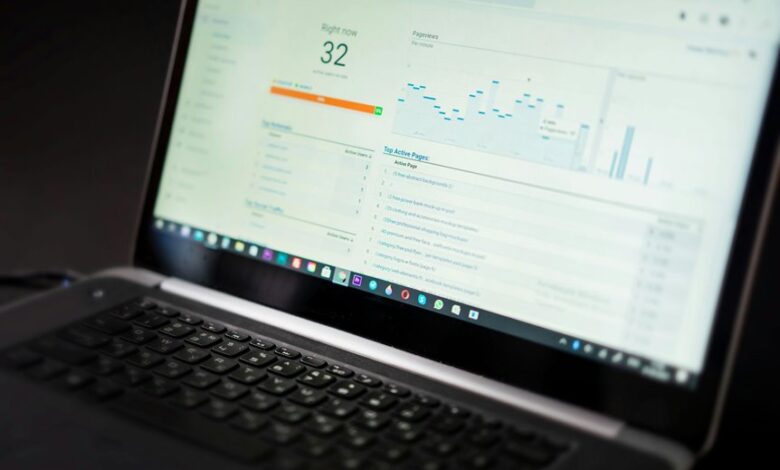
The Business Metrics Navigator serves as a vital instrument for organizations aiming to refine their KPI tracking. By leveraging specific metrics such as 5852733559 and others, businesses can monitor performance with precision. This tool facilitates data-driven insights, enabling firms to identify trends and streamline operations. Understanding how to harness these metrics is crucial. Yet, the question remains: how can companies translate these insights into actionable strategies for growth?
Understanding Key Performance Indicators
Understanding key performance indicators (KPIs) is essential for businesses aiming to measure their progress and effectiveness in achieving strategic objectives.
KPI categories facilitate structured performance analysis, enabling firms to set performance targets and utilize metric benchmarks for comparison.
Effective data visualization through KPI dashboards enhances comprehension of business outcomes, allowing for informed decision-making and timely adjustments based on metric comparisons.
The Role of Data Analysis in Business Growth
Data analysis serves as a critical driver of business growth, enabling organizations to extract actionable insights from vast amounts of information.
By employing data visualization techniques, businesses can present complex data in an accessible format, fostering data-driven decisions.
This approach allows companies to identify trends, optimize strategies, and ultimately enhance performance, ensuring they remain competitive and responsive to market dynamics.
How to Utilize the Business Metrics Navigator
A comprehensive approach to utilizing the Business Metrics Navigator can significantly enhance an organization’s ability to track and analyze key performance indicators (KPIs). By effectively leveraging business tools and metrics software, organizations can apply analytics techniques for performance tracking, improve data visualization, and adhere to reporting standards, thereby establishing metric benchmarks that bolster business intelligence.
| Metrics Software | Key Features |
|---|---|
| Tool A | Data Visualization |
| Tool B | Analytics Techniques |
| Tool C | Performance Tracking |
| Tool D | Reporting Standards |
| Tool E | Metric Benchmarks |
Identifying Trends Through Metrics
Identifying trends through metrics involves a systematic analysis of data patterns to uncover underlying behaviors and shifts within a business context.
By employing predictive metrics, organizations can generate insights that forecast future performance and guide strategic decision-making.
This analytical approach enhances the ability to respond proactively to emerging trends and market dynamics.
Analyzing Data Patterns
How can businesses effectively leverage metrics to uncover underlying trends? By employing data visualization techniques and correlation analysis, organizations can identify significant patterns within their data. This structured approach enables businesses to make informed decisions. The following table illustrates key metrics for effective analysis:
| Metric | Visualization Type | Analysis Method |
|---|---|---|
| Sales Growth | Line Chart | Correlation Analysis |
| Customer Retention | Bar Chart | Trend Analysis |
| Market Share | Pie Chart | Comparative Analysis |
Predictive Metrics Insights
What strategies can organizations implement to harness predictive metrics for trend identification?
Employing predictive analytics enables effective future forecasting, allowing businesses to anticipate market shifts.
By integrating data-driven strategies, organizations can enhance performance prediction and adapt proactively.
Continuous monitoring of key metrics ensures timely insights, empowering leaders to make informed decisions that foster growth and innovation in an ever-evolving landscape.
Optimizing Operations for Better Performance
Optimizing operations is essential for organizations aiming to enhance overall performance and achieve strategic objectives.
By focusing on process improvement, organizations can identify inefficiencies and streamline workflows. Effective resource allocation further ensures that assets are utilized wisely, reducing waste and maximizing output.
This strategic alignment fosters agility, enabling organizations to adapt quickly to market changes and sustain competitive advantages.
Making Strategic Decisions With Data Insights
Data-driven decision-making plays a pivotal role in enhancing organizational performance.
By fostering a data-driven culture, organizations can achieve metrics alignment, ensuring that strategic choices are informed by relevant insights.
This approach empowers leaders to identify trends, optimize resources, and respond swiftly to market changes, ultimately driving growth and innovation.
Embracing data insights enables organizations to make informed decisions that align with their overarching goals.
Conclusion
In conclusion, the Business Metrics Navigator serves as a pivotal instrument for organizations striving for excellence. As companies harness the power of the six critical metrics—5852733559, 662970365, 2119888, 677522446, 629567182, and 906322105—they stand on the brink of significant transformation. Yet, will they fully leverage these insights to unlock their potential, or will the data remain dormant, overshadowed by inertia? The path forward teeters on the edge of informed decision-making and missed opportunities.