In an era where data is power, security has ascended to become a fundamental cornerstone of any business blueprint. As the risks associated with cyber threats proliferate, it’s becoming crystal clear that conventional, one-size-fits-all solutions are no longer sufficient. Instead, the focus is rapidly shifting towards adaptive, bespoke security systems, undeniably emerging as the smarter choice for an enterprise aiming to protect its valuable resources.
1. Conveying Protection Tailored to Your Business’s Distinct Needs
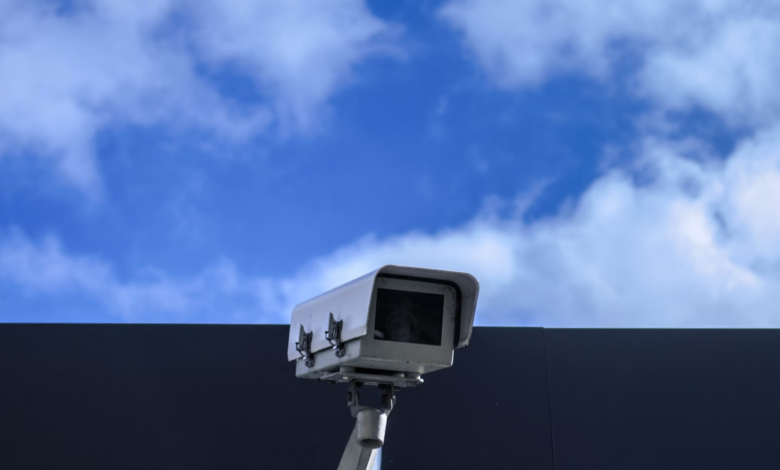
Every enterprise is unique, which means their security needs are, too. By investing in a tailored security system, such as customised CCTV installations for businesses, you benefit from a robust line of defence designed specifically for your unique landscape of vulnerabilities, whether it concerns safeguarding sensitive client data, invaluable business strategies, or crucial infrastructure. Opt for a custom solution, and you’ll experience protection on a level that generic solutions simply can’t offer.
2. Scaling in Harmony with Your Business
Commercially available security solutions often falter when trying to keep up with a business’s growth trajectory. A tailored security system, designed with flexibility in mind, allows you the scope to scale your security as your company expands. No matter how you choose to grow – a new office, more employees, or the integration of new technology – your system can adapt without sacrificing performance or leaving potential threats unaddressed.
3. Long-Term Financial Prudence
Tailored solutions may seem high-priced compared to standard alternatives at the outset. However, these custom solutions bring with them the added value of eliminating superfluities, focusing instead on the risks that matter most to your business. By reducing the chances of security breaches, your organisation avoids the large costs associated with breach control and productivity loss, making tailored solutions a sound long-term investment.
4. Seamless Melding with Existing Systems
Bespoke security solutions are designed to integrate fluently with your present IT infrastructure, workflow, and business tools. They minimise disruption during the implementation phase, thereby helping you maintain operational efficiency and bypass any compatibility headaches. This ensures a faster transition and more harmonious operational environment for your team.
5. Proactive Threat Identification and Neutralisation
Standard security systems often fall short in detecting advanced threats. Tailored solutions utilise customised algorithms and analytics to anticipate and counteract threats before they spiral out of control. By preventing potential damage, you build credibility and trust with your customers and stakeholders.
6. Simplified Regulatory Compliance
Many businesses, especially in sectors like healthcare, finance, and retail, are legally bound to adhere to stringent security regulations. Tailored systems are capable of aligning precisely with these requirements, leading to smoother audits and avoiding penalties. This bespoke approach significantly simplifies navigating the complex compliance landscape for IT managers and security professionals.
7. Boosting Stakeholder and Customer Trust
A robust, tailored security system sends a compelling signal to customers and stakeholders – that your business values their security and privacy. This can lead to stronger relationships, improve your brand repute, and even give you that competitive edge. Enterprises with advanced security systems are perceived as more reliable and progressive.
Why It’s Time to Invest in a Tailored Security System
The narrative around business security is no longer just about risk mitigation; it’s about optimisation and growth. By embracing a tailored security system, businesses not only defend against threats, but also unlock long-term financial savings, operational efficiency, and stakeholder trust.
If your goal is to make your organisation future-proof, the time to shift towards a custom security strategy is now. Tailored solutions represent the new frontier in protecting what’s most crucial, and staying one step ahead in an ever-evolving digital terrain.