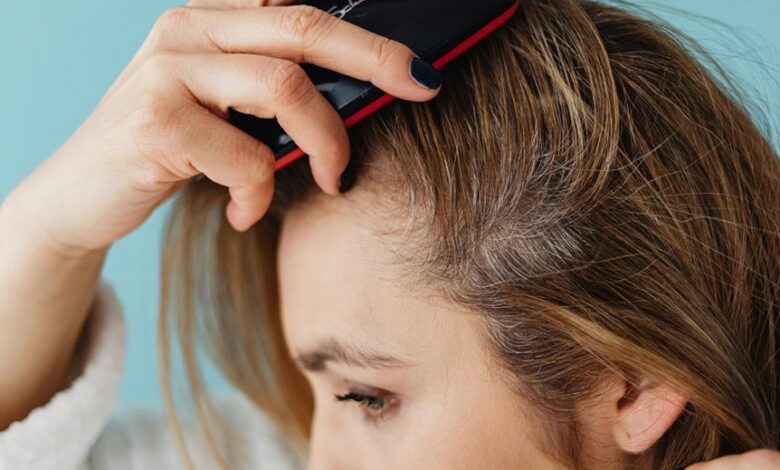
Alps Goodness Rosemary Water presents a unique solution for those seeking to enhance their hair care routine. With its natural formulation, it harnesses the power of rosemary to stimulate scalp circulation and promote healthy hair growth. Users have noted impressive results, including improved scalp health and reduced dandruff. As we explore the key benefits and ingredients, one may wonder how this product measures up against traditional hair treatments.
Understanding the Benefits of Rosemary Water for Hair
While many individuals seek natural remedies for hair care, rosemary water stands out as a particularly effective option.
Its remarkable rosemary properties promote hair health by stimulating circulation in the scalp, encouraging growth, and reducing dandruff.
This invigorating elixir, rich in antioxidants, nourishes hair follicles, enhancing overall vitality.
Embracing rosemary water allows one to harness nature’s power for vibrant, lustrous locks.
Key Ingredients in Alps Goodness Rosemary Water
Alps Goodness Rosemary Water boasts a carefully curated blend of ingredients, each contributing to its potent hair care benefits.
The formulation utilizes advanced rosemary extraction methods to retain essential oil benefits, promoting scalp health and hair vitality.
Rich in antioxidants and anti-inflammatory properties, this rosemary water enhances circulation, invigorates hair follicles, and provides a refreshing experience, making it an essential choice for those seeking natural hair solutions.
How to Use Rosemary Water for Optimal Results
Unlocking the full potential of rosemary water involves a few simple yet effective application techniques.
To reap its benefits, consider these rosemary infusion methods and hair growth techniques:
- Apply it directly to the scalp for enhanced circulation.
- Use it as a rinse post-shampoo to nourish strands.
- Incorporate it into a massage for relaxation and stimulation.
These practices promote vibrant hair and a healthy scalp.
Comparing Alps Goodness Rosemary Water With Other Hair Products
When exploring the benefits of rosemary water, it’s important to compare it with other hair products on the market.
Unlike conventional shampoos and conditioners, Alps Goodness Rosemary Water boasts unique rosemary advantages, promoting scalp health and hair growth naturally.
Hair product comparisons often reveal that synthetic alternatives lack the nourishing properties found in this herbal solution, making it a compelling choice for those seeking holistic care.
User Experiences and Testimonials
User experiences with Alps Goodness Rosemary Water reveal a tapestry of satisfaction and remarkable results.
Customers frequently highlight:
- Enhanced scalp health, reducing dryness and itchiness
- Noticeable hair growth, with many reporting thicker strands
- Pleasant fragrance that invigorates the senses
Such customer feedback underscores the product’s effectiveness, showcasing a growing community that embraces the freedom to achieve luscious, vibrant hair naturally.
Final Thoughts on Alps Goodness Rosemary Water
In evaluating Alps Goodness Rosemary Water, numerous key benefits emerge, particularly its refreshing properties and potential for promoting healthy hair and scalp.
Users frequently report noticeable improvements in hair vitality and overall scalp health, underscoring the product’s effectiveness.
These positive outcomes suggest that this rosemary-infused water may serve as a valuable addition to one’s beauty regimen.
Key Benefits Highlighted
Alps Goodness Rosemary Water offers a myriad of benefits that elevate it beyond a mere herbal infusion.
With its rich rosemary benefits, this product promotes hair growth and revitalizes the scalp.
Users may experience:
- Strengthened hair follicles for enhanced growth
- Reduced dandruff and scalp irritation
- Improved overall hair texture and shine
This transformative elixir empowers individuals to embrace their natural beauty with confidence.
Overall Product Effectiveness
Many users have reported remarkable results after incorporating Alps Goodness Rosemary Water into their hair care routine, highlighting its overall effectiveness.
The product performance consistently meets expectations, with many noting improved scalp health and enhanced hair vitality.
An effectiveness review reveals not only aesthetic improvements, but also a sense of empowerment in achieving luscious locks, making it a compelling addition to any beauty regimen.
Conclusion
In conclusion, Alps Goodness Rosemary Water emerges as a beacon of hope for those seeking healthier hair. With its natural ingredients and potent benefits, it not only nurtures the scalp but also reinvigorates hair growth, making it a game-changer in hair care. Users find themselves on the path to luxurious locks, effectively turning the tide against common hair woes. For anyone ready to embark on a journey toward vibrant hair, this rosemary water could be the key to unlocking nature’s best-kept secrets.