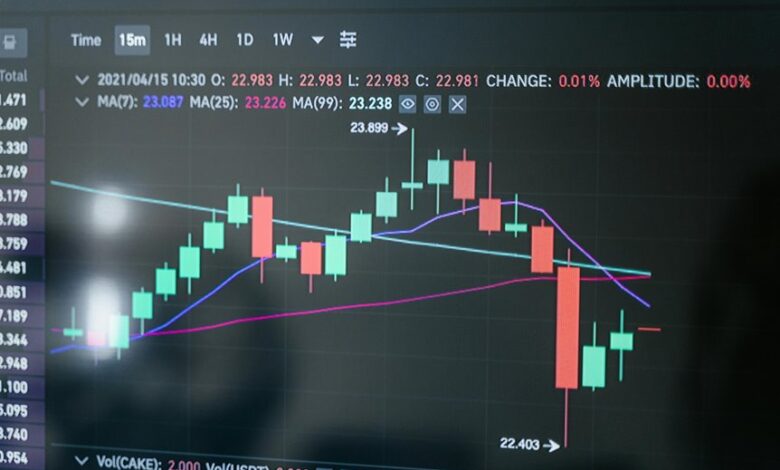
The Upgrade Your Marketing 7549999391 Online Platform presents a unique opportunity for marketers seeking to enhance their strategies. By integrating advanced features, it allows for a more nuanced approach to audience engagement and campaign optimization. Marketers can leverage robust analytics to inform their decisions, yet many remain unaware of the full potential this platform offers. What innovative tactics could emerge from its application, and how might they redefine success in the marketing landscape?
Key Features of the Upgrade Your Marketing 7549999391 Online Platform
The Upgrade Your Marketing 7549999399391 Online Platform distinguishes itself through a suite of advanced features designed to enhance user engagement and streamline marketing efforts.
Its focus on user experience integrates seamlessly with robust data analytics tools, allowing marketers to derive insights and make data-driven decisions.
This strategic combination empowers users to optimize campaigns, fostering a dynamic environment that encourages creativity and freedom in their marketing pursuits.
Benefits of Streamlining Your Marketing Efforts
While many marketers grapple with fragmented strategies, streamlining marketing efforts presents a transformative opportunity that can significantly enhance overall effectiveness.
By focusing on marketing efficiency, businesses can allocate resources more strategically, fostering resource optimization.
This cohesion allows for clearer messaging, improved audience targeting, and ultimately, greater freedom to innovate and adapt in a rapidly changing marketplace, leading to superior results and growth.
How to Integrate Advanced Tools for Maximum Impact
Integrating advanced tools into marketing strategies can elevate the streamlined efforts previously discussed by introducing innovative solutions that enhance efficiency and effectiveness.
Utilizing integrated analytics allows businesses to harness data-driven insights, while automation tools streamline repetitive tasks, freeing creative resources.
This strategic combination empowers marketers to focus on impactful initiatives, ultimately cultivating a dynamic environment that fosters growth and responsive adaptation to market trends.
Success Stories: Transforming Businesses With Innovative Marketing Strategies
Unlocking the potential of innovative marketing strategies has transformed numerous businesses, showcasing the power of creativity and strategic thinking in driving growth.
Case studies reveal significant increases in engagement and revenue, while customer testimonials reflect enhanced brand loyalty.
These success stories illustrate how tailored approaches can liberate companies from conventional methods, allowing them to thrive in a dynamic marketplace and connect authentically with their audiences.
Conclusion
In the ever-evolving landscape of marketing, the Upgrade Your Marketing 7549999391 Online Platform emerges as a lighthouse, guiding businesses through the fog of complexity. By harnessing its advanced features and data-driven insights, organizations can navigate towards clarity and growth, crafting campaigns that resonate like a well-tuned orchestra. As teams embrace creativity and strategic resource allocation, they not only illuminate their paths but also inspire innovation, ultimately transforming challenges into opportunities for sustainable success.