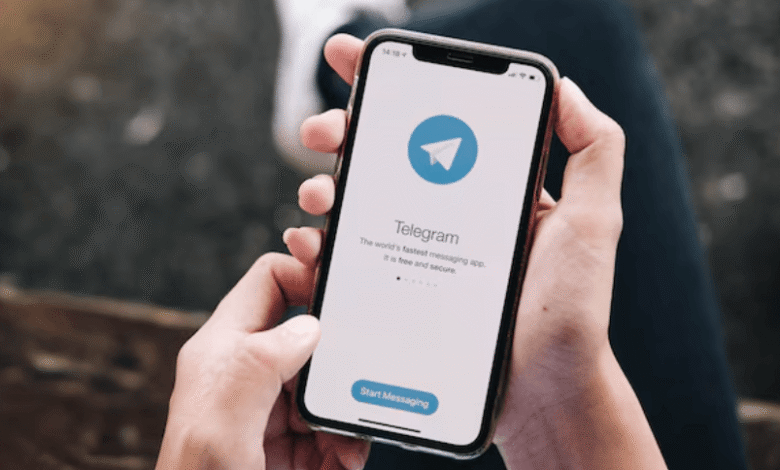
In the world of digital communication, as in many things there are multiple evolving patterns and practices of user behavior. Although mobile apps are still arguably the dominant way for people to send messages there are now strong arguments that people are moving more towards desktops and web-based platforms. Two powerful tools at the forefront of this move are the WhatsApp Web Version Login and the popularity of Telegram. This is not just about convenience, though; it’s a fundamental change in our life, how we use our digital spaces today. It’s a trend that is seeing massive growth globally and includes a huge Telegram Chinese user base who loves the unique features of Telegram.
The Allure of the Big Screen: Productivity Unleashed
The productivity argument behind the surge in Whatsapp网页版登入 usage is simple. For decades, people used to do their work tied to their mobile device. This drove the annoying “phone-in-hand, eyes-on-screen” mindset, even when a large computer monitor was seated in front of them. It’s arguably one of the best and most efficient ways to get more done on any type of gadget. With WhatsApp Web Version Login, users can simply scan a QR code, and it will mirror all their chat history to the desktop browser. This means that you can touch-type your mails on your desktop, share files directly from your PC, and do everything at once – from writing a report to replying to a group chat. This synergy between mobile and desktop creates an unification of communication that will make communication far more efficient – especially in work-from-home or hybrid office environments.
See also: Techyhittools.org: A New Resource for Tech Enthusiasts?
Beyond the Basics: Telegram’s Feature-Rich Ecosystem
While WhatsApp has focused on simplifying its core messaging, Telegram has built a reputation as a feature-rich powerhouse. This appeal is universal but has found a particularly strong resonance in regions with tech-savvy populations, including a vast Telegram Chinese community. Telegram’s advantages are numerous: cloud-based storage that doesn’t eat up phone memory, massive group capacities, public channels for broadcasting to unlimited audiences, and a robust bot ecosystem that can automate tasks, deliver news, or even host games. For users who feel constrained by the simplicity of other platforms, Telegram offers a level of customization and power that feels like a step into the future of messaging.
Security and Privacy: A Central Talking Point
It’s no longer a “I like this better” proposition. People expect the best security on any platform today. And in that respect, both companies are moving in two opposing directions. Whatsapp has given its own identity to the secure end-to-end encryption feature that is standard across all its platforms by default and it’s something of an attraction for many. The contrast is less apparent on the official Telegram中文 Facebook page, but users from around the world are more attracted by another aspect: Telegram’s unorthodox privacy approach. These days they offer client-to-server encrypted “Secret Chats, ” which can be sent through the app’s server, and have strict policies on sharing users’ data with third parties. The on-going public debate around encryption and control over user data is another reason consumers are looking to shift as well to either side.
The Cultural and Information Dimension
Platforms aren’t just tools. They are also cultural centers. And this is especially true of Telegram, which has become a vital portal for uncensored news and building niche communities in specific parts of the world (anecdotally, the growth of Telegram’s Chinese diaspora community is one example of this). You can get channels dedicated to local news and politics, hobbyist groups and academic resources that may be harder to access elsewhere.
A Seamless Multi-Device Future
A major pain point for the modern user is device synchronization. Back in the days losing a phone meant forgetting your chat history. It’s a good start, but the main phone remains always connected to the internet, so both platforms are pushing further. There’s been progress toward a actually multi-device function, via which you can run the web client entirely from a separate mobile phone for short periods.
Conclusion
It’s not a fleeting phenomenon. It’s a natural extension of our ever-connected digital lives. For the productivity-conscious professional, the WhatsApp Web Version Login is a road map to reaching a more efficient workflow. For the information-minded user, the privacy-conscious person or the community-focused individual, the massive ecosystem of Telegram (including the vibrant Telegram Chinese channels) offers compelling options. With the boundaries between personal and professional communication blurring, the platforms that give us the most flexibility, power and security across all our devices will be the ones shaping the next era of digital conversation.