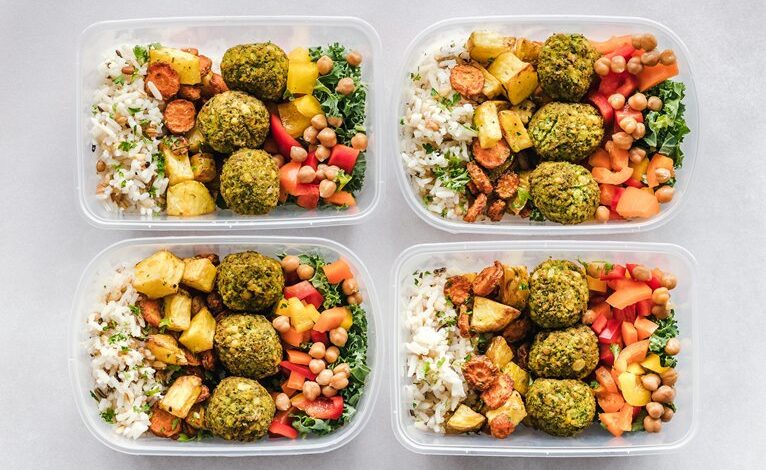
In the hustle of modern life, preparing dinner can often feel like a daunting task. However, quick and easy meals can transform chaotic evenings into manageable ones. From a one-pan chicken dish to a vibrant shrimp stir-fry, there are numerous options that promise flavor and simplicity. Each recipe offers a unique twist, catering to diverse tastes and dietary needs. As the clock ticks down, the question remains: which meal will become the new weeknight favorite?
One-Pan Chicken and Vegetables
As the sun sets on a busy weeknight, many home cooks seek a simple yet satisfying meal that requires minimal cleanup.
One-pan chicken and vegetables offer a delightful solution, allowing for versatile vegetable combinations alongside perfectly seasoned chicken. A sprinkle of savory chicken seasoning enhances flavors, transforming ordinary ingredients into a wholesome dinner.
This effortless dish embodies freedom in cooking, inviting creativity and relaxation.
Quick Shrimp Stir-Fry
A quick shrimp stir-fry provides a vibrant and flavorful dining option that can be whipped up in under 30 minutes.
Utilizing shrimp marinade tips, such as a blend of soy sauce and garlic, enhances the dish.
Mastering stir fry techniques, like high heat and quick movements, ensures perfectly cooked shrimp and crisp vegetables, making this meal an ideal choice for busy weeknights.
15-Minute Pasta Primavera
Minute Pasta Primavera offers a delightful and colorful way to enjoy a medley of fresh vegetables and pasta in a flash.
This dish showcases various pasta variations, allowing for creativity and adaptability.
With vibrant primavera ingredients like zucchini, bell peppers, and cherry tomatoes, it provides a nutritious, flavorful experience.
Perfect for busy nights, it satisfies cravings without sacrificing quality or time.
Tasty Taco Salad
What makes a taco salad the ultimate weeknight dinner? Its vibrant flavors and customizable nature allow for endless creativity.
Diners can enjoy a delightful mix of textures and tastes, making it both satisfying and fun.
- Crunchy lettuce base
- Savory taco toppings
- Creamy salad dressings
- Fresh avocado slices
This dish embodies freedom, offering a nutritious meal tailored to individual preferences.
Easy Beef and Broccoli
After savoring the vibrant flavors of a taco salad, the appeal of a quick and hearty dish like Easy Beef and Broccoli becomes apparent.
This meal features tender beef marinated in a savory blend, enhancing its rich flavor.
Paired with crisp broccoli, it offers numerous health benefits, including essential vitamins and minerals.
Together, they create a satisfying and nutritious dinner option for busy nights.
Sheet Pan Salmon and Asparagus
A delightful weeknight dinner option, Sheet Pan Salmon and Asparagus combines ease with elegance. This meal can be prepared swiftly, allowing freedom for busy schedules. With various salmon marinade options and simple asparagus cooking techniques, it offers a flavorful experience.
- Fresh herbs enhance the salmon
- Lemon zest brightens the dish
- Roasting brings out asparagus’ sweetness
- One-pan cleanup saves time
Simple Veggie Quesadillas
While the clock ticks down on a busy weeknight, Simple Veggie Quesadillas emerge as a quick and satisfying solution for dinner.
Bursting with vibrant vegetable combinations like bell peppers, spinach, and mushrooms, these quesadillas can be customized with various cheese choices, from gooey mozzarella to sharp cheddar.
With minimal prep and a swift cook time, they empower anyone to enjoy a delicious, hassle-free meal.
Conclusion
In the whirlwind of modern life, these seven weeknight dinner ideas emerge as culinary superheroes, effortlessly transforming busy evenings into delightful dining experiences. Each meal, from the colorful Pasta Primavera to the hearty Beef and Broccoli, offers a symphony of flavors that can rival even the grand banquets of yore. As families gather around the table, savoring every bite, the ease of preparation ensures that time spent together remains precious, echoing the timeless tradition of sharing a meal.