Emerging Trends Dashboard: 7362055896, 6955025638, 361616908, 919268058, 3278622751, 21541877

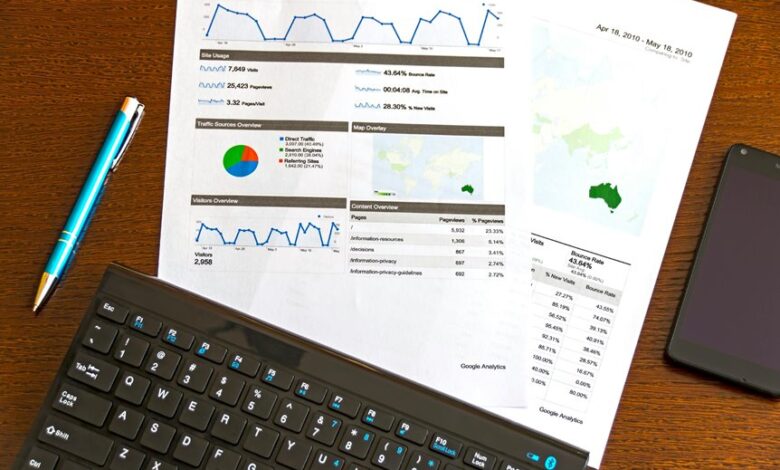
The Emerging Trends Dashboard offers organizations a sophisticated tool for navigating changing market landscapes. By integrating real-time data updates with predictive analytics, it facilitates informed decision-making. Users can customize the interface to suit their strategic needs. However, understanding how to maximize these features can prove challenging. An exploration of its functionalities and real-world applications reveals the dashboard’s potential to transform strategic planning. What insights can be uncovered from its data-driven approach?
Understanding the Emerging Trends Dashboard
The Emerging Trends Dashboard serves as a vital tool for analyzing and visualizing data related to evolving market dynamics.
It facilitates effective dashboard integration strategies, enabling users to consolidate diverse data sources.
Furthermore, it employs predictive analytics tools, empowering organizations to anticipate market shifts and make informed decisions.
This combination enhances strategic planning and fosters a proactive approach to emerging opportunities and threats.
Key Features and Functionalities
The Emerging Trends Dashboard is equipped with key features that enhance its utility and user experience.
Notably, real-time data updates ensure that users have access to the most current information, facilitating informed decision-making.
Additionally, a user-friendly interface promotes ease of navigation, allowing users to efficiently interact with the dashboard’s functionalities.
Real-time Data Updates
Real-time data updates represent a crucial feature of modern dashboards, enabling users to access the most current information instantly.
This capability enhances real-time monitoring and supports effective data visualization, allowing stakeholders to make informed decisions swiftly.
User-friendly Interface
A user-friendly interface is a fundamental aspect of effective dashboards, directly impacting user engagement and data interpretation.
Key features that enhance user experience include:
- Intuitive design for seamless navigation
- Customizable layouts to fit individual preferences
- Interactive elements for real-time data manipulation
- Accessible help resources for troubleshooting
These functionalities collectively foster an environment that empowers users to maximize their analytical capabilities.
Data Analysis and Interpretation
Effective data analysis and interpretation serve as the backbone of informed decision-making in various sectors. Utilizing techniques such as data visualization, predictive analytics, and statistical models, analysts can uncover insights through data mining and correlation analysis. Data storytelling enhances understanding, while trend forecasting and data governance ensure integrity and compliance.
| Technique | Purpose | Benefits |
|---|---|---|
| Data Visualization | Present data visually | Easier comprehension |
| Predictive Analytics | Forecast future trends | Informed strategic planning |
| Statistical Models | Analyze relationships | Identify patterns |
| Data Storytelling | Communicate findings | Engagement and clarity |
Real-World Applications and Case Studies
The analysis of real-world applications and case studies reveals significant insights into industry-specific innovations and their impacts.
By examining diverse use cases, stakeholders can better understand the effectiveness and scalability of emerging trends.
This structured approach facilitates a comprehensive assessment of the tangible benefits and challenges faced within various sectors.
Industry-Specific Case Studies
Numerous industry-specific case studies illustrate the diverse applications of emerging trends, revealing the practical implications of innovative strategies across various sectors.
These case study examples highlight:
- Enhanced supply chain efficiencies in manufacturing.
- Digital transformation in retail environments.
- Sustainable practices in agriculture.
- Advanced analytics in healthcare decision-making.
Such industry applications demonstrate how businesses adapt to evolving landscapes, fostering growth and innovation.
Innovative Use Cases
Innovative use cases across various sectors illustrate the transformative power of emerging trends, showcasing how organizations implement cutting-edge solutions to address specific challenges. By employing innovative strategies and advanced data visualization, companies maximize operational efficiency and enhance customer experiences.
| Sector | Use Case |
|---|---|
| Healthcare | Remote patient monitoring |
| Education | Interactive learning platforms |
| Retail | Personalized shopping experiences |
Real-World Impact Analysis
Emerging trends not only reshape industries but also yield significant real-world impacts that can be quantified through various applications and case studies.
Effective impact measurement and trend evaluation reveal key insights:
- Enhanced productivity in manufacturing.
- Improved customer engagement in retail.
- Reduced operational costs in logistics.
- Increased accessibility in healthcare.
These applications illustrate the transformative potential of emerging trends across diverse sectors.
Benefits of Using the Dashboard for Strategic Planning
While organizations increasingly seek effective ways to enhance their strategic planning processes, utilizing an emerging trends dashboard offers significant advantages.
This tool facilitates strategic alignment by providing real-time data analysis, enabling informed decision support.
Future Trends and Enhancements
How might advancements in technology reshape the landscape of emerging trends dashboards?
Future enhancements could focus on:
- Enhanced predictive analytics for more accurate forecasting.
- Advanced data visualization techniques for clearer insights.
- Real-time data integration for immediate decision-making.
- User-friendly interfaces promoting accessibility and customization.
These innovations will empower users, fostering informed strategies and fostering a sense of autonomy in navigating complex data landscapes.
Conclusion
In conclusion, the Emerging Trends Dashboard serves as an essential tool for organizations aiming to stay ahead in competitive markets. By harnessing real-time data and predictive analytics, businesses can make informed decisions and adapt strategies effectively. For instance, a retail company utilizing the dashboard identified a surge in demand for sustainable products, enabling them to pivot their inventory strategy and capture a growing consumer segment, ultimately enhancing their market position and increasing revenue.